
Another hashtag again?
learning a bit of history about women's day.

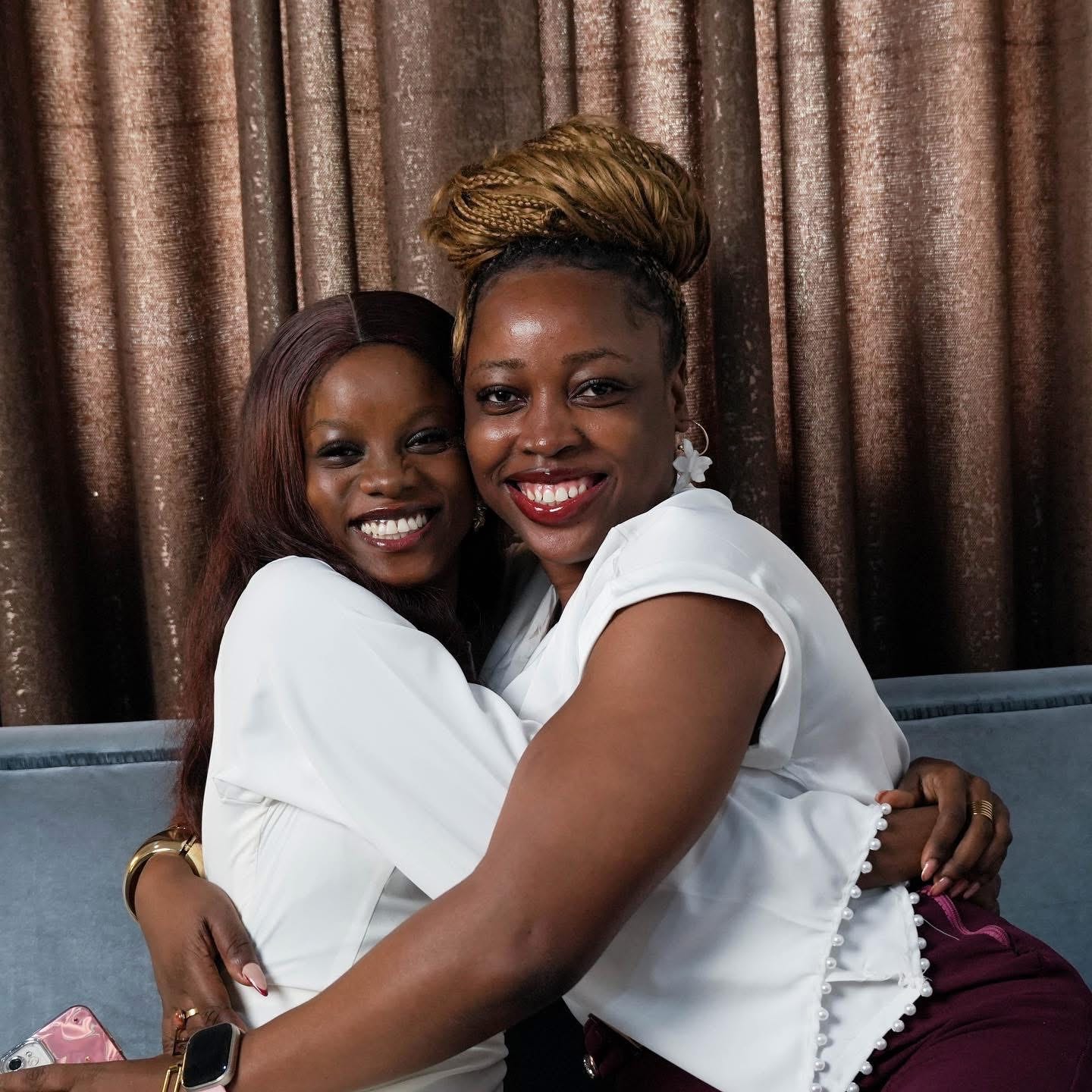
Every year on the eighth of March, the world pauses to mark International Women’s Day. Timelines fill with tributes. Organisations host conversations and panels. Many of us take a moment to celebrate the women who shape our lives and our work.
But the origins of the day tell a deeper story.
International Women’s Day did not begin as a celebration. It began as a demand.
At the beginning of the twentieth century, women across Europe and North America were organising around questions that shaped their everyday existence. Fair wages. Safer working conditions. The right to vote. These were not abstract ideals. They were matters of dignity, survival, and recognition.
In 1908, thousands of women garment workers marched through the streets of New York City calling for labour protections and political rights. Their march was one expression of a wider movement that sought to challenge the economic and social structures that had long kept women on the margins.
The following year, the United States observed the first National Woman’s Day. What began as a national moment of solidarity soon gathered international momentum.
In 1910, at a conference of working women in Copenhagen, the German activist Clara Zetkin proposed the creation of an international day dedicated to advancing women’s rights. The idea was embraced by delegates from multiple countries. By 1911, more than a million people across Europe were participating in rallies and public demonstrations calling for women’s suffrage and equal opportunity.
Decades later, in 1975, the United Nations formally recognised the eighth of March as International Women’s Day, giving the movement a global institutional platform.
Looking back from the present, the world those early activists confronted feels distant. Women vote, lead companies, shape public policy, and participate in professional life in ways that would have been unimaginable in many societies a century ago.
Yet history teaches us that progress is rarely accidental and seldom permanent. Every advance has been the result of deliberate effort, sustained advocacy, and the quiet persistence of those who believed that society could be fairer than it was.
International Women’s Day remains important for this reason. It invites us to remember that equality did not emerge naturally from the passage of time. It was built through courage, conviction, and collective action.
Even today, the work continues. Questions of representation, economic opportunity, leadership access, and workplace equity still shape the experiences of many women around the world.
These questions remind us that equality is not a finished chapter in history. It is an ongoing project that we have to continuously work at.
Perhaps the most meaningful way to think about International Women’s Day is as a moment of reflection. A moment to recognise the distance travelled, to honour those whose courage made that progress possible, and to ask ourselves what kind of society we wish to continue building.
For the world we inhabit today is, in many ways, the inheritance of people who believed that fairness was worth fighting for.
May we continue to fight the fight, and may all women find their voices and freedom.
Happy International Women’s day!
You are amazingggg.
A random question; as a woman, if you could make a law, or erase one thing forever, what will it be?