The Matthew Effect
and becoming someone else domino

There is a sentence from the Bible that has always struck me as deeply unfair.
*”For to everyone who has, more will be given, and he will have abundance. But from the one who has not, even what he has will be taken away.”
It sounds cruel, like a hot iron piercing through your conscience. This verse has evolved into what different behavioural psychologists call The Matthew Effect
The Matthew Effect, a term popularized by sociologist Robert K. Merton and brought into mainstream conversation by Malcolm Gladwell in Outliers, describes a simple but powerful phenomenon: small advantages compound over time.
Gladwell illustrates this with Canadian hockey players. A disproportionate number of elite players are born in the first few months of the year. Why you may ask? Because youth leagues use a January 1 cut-off date. The oldest children in each age group are often slightly bigger, slightly stronger, and slightly more coordinated. Coaches notice them first. They receive better coaching, more playing time, greater confidence, and over time, those seemingly insignificant advantages become enormous ones.
A few extra months eventually look like extraordinary talent.
We probably experienced this in high school (and some unis), where the lecturers and teachers focus on ensuring the already brilliant students understand what is being taught while leaving average students (like myself) more confused than they were when the class started.
The most fascinating part of this is that we don’t even notice this advantage, and when we do, we trivialise it like it ever existed.
By the time someone reaches the top, all we see is brilliance. We applaud the outcome and quietly erase the conditions that made it possible. We call people gifted without asking what invisible head start they were given, or what opportunities accumulated quietly in the background while no one was watching.
We like stories that begin with brilliance. They are cleaner. More inspiring. We tell ourselves that successful people simply worked harder, thought smarter, or wanted it more. Sometimes that’s true. Often, it isn’t the whole story.
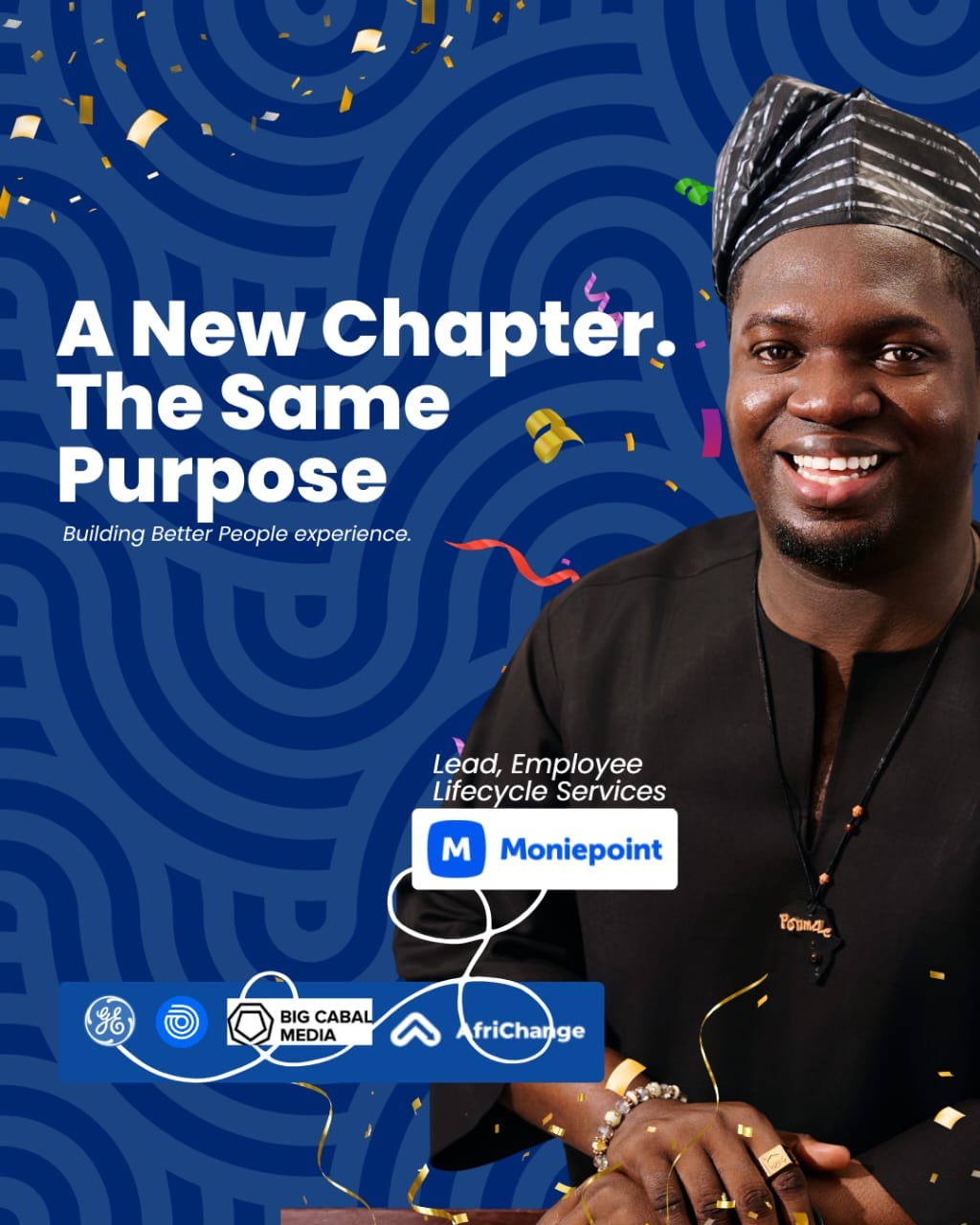
I think about my own career and realize how many defining moments began with what looked like insignificant events. Running into a senior colleague who introduced me to the Unilever Campus Ambassador Programme. That opportunity eventually led me to my first mentor. That mentor opened the door to my first HR role at General Electric. GE became the foundation for Cowrywise. Cowrywise prepared me for Africhange. Africhange eventually led me to Moniepoint.
Looking back, it almost feels like a row of dominoes. At the time, each one felt ordinary. None of them looked life-changing. Yet every opportunity quietly handed me another one. Every small advantage became the foundation for the next.
The Matthew Effect has made me wonder whether success is sometimes less about one giant breakthrough and more about protecting and multiplying small advantages before they disappear. A mentor. A recommendation. An internship. A scholarship. A conversation. One opportunity rarely changes your life on its own. What changes your life is the opportunity that creates another opportunity, which creates another one after that. Momentum is quietly compounding in the background.
Perhaps that is why I have become increasingly interested in opening doors for people. I have been asked twice on my Youtube channel why I do what I do and commit hundreds of thousand to producing Career Chat with EF; for me, it’s that someone watched a video, and their career path took off, that they passed an interview, that they got a job or their mind opened to a new path entirely.
Sometimes all someone needs is their first “yes.” The first manager who believes in them. The first platform. The first introduction. The first chance to prove themselves. Because once momentum begins, the world has a funny way of adding to it.
The Matthew Effect is often used to explain inequality, and rightly so. It reminds us that advantage compounds just as disadvantage does. But I also choose to read it as a responsibility. If opportunities accumulate, then perhaps opportunities can also be created. Perhaps introducing someone to the right person matters more than we think. Perhaps recommending a young professional, sharing an opening, or believing in someone before the rest of the world does can alter the trajectory of an entire career.
And maybe that’s the responsibility that comes with our own momentum.
To become someone else’s first domino.
As the habit is;
Movies to watch:
Jack Ryan
K2
Things to read:
Dr Fikayo’s essay on CNA’s characters
Songs to listen to:
High- Lighthouse
BTS- Dynamite
P:S- Talking of being someone else first domino, I am hosting a Youtube live later today where I will be baring it all, literally. I will be answering questions around CVS, Cover letters, Acing interviews and sharing lessons I’ve picked up from being in the Job Market over the last few months.
Click here to send your questions and join the live here